The pros and cons of solo female travel
Especially on the road
Since the pandemic, more and more people have been taking up van life; travelling and living in vehicles so they can explore the world more freely. Among this group of people is a growing number of women; solo female explorers keen to experience the world on their terms. I am one of those, but only part time (most of the time I’m still bound to the routine of a 9to5 and live in a house). Here I share some of the best, and worst, bits of living in a vehicle (especially a small one).
The pros
1. Total freedom and independence
The best part of living in a vehicle is the ability to set your own schedule. Fancy a sunrise mission up that mountain? No problem, park up at the base and relish not having to drive in the middle of the night to start a hike hours before sunrise. Stayed out a bit too late because of a stunning sunset? No bother, just crawl into bed when you get back to your car. This freedom, especially as a photographer, is empowering.
2. Personal growth and confidence
When you’re all on your tod with only yourself to rely on, you naturally have to be (or become) resilient. Travelling solo builds your navigation, maintenance, planning and problem-solving skills. I also find that it makes me braver about talking to new people, striking up conversation in a pub or asking locals about the area you’re exploring. This often leads to brilliant experiences and wonderful stories.
3. A deeper connection with the natural world
Vehicle living puts you at the heart of the places you explore. There’s something magical about waking up to a view of the mountains, a beach, a forest or whatever else you’ve chosen to stop by. You’re closer to the elements and you feel the power of nature when storms blow through, rocking your vehicle while rain patters on the roof. For all our years living sheltered in modern homes, there’s something comforting and primal about being so close to, yet protected from the elements when you’re living in a car.
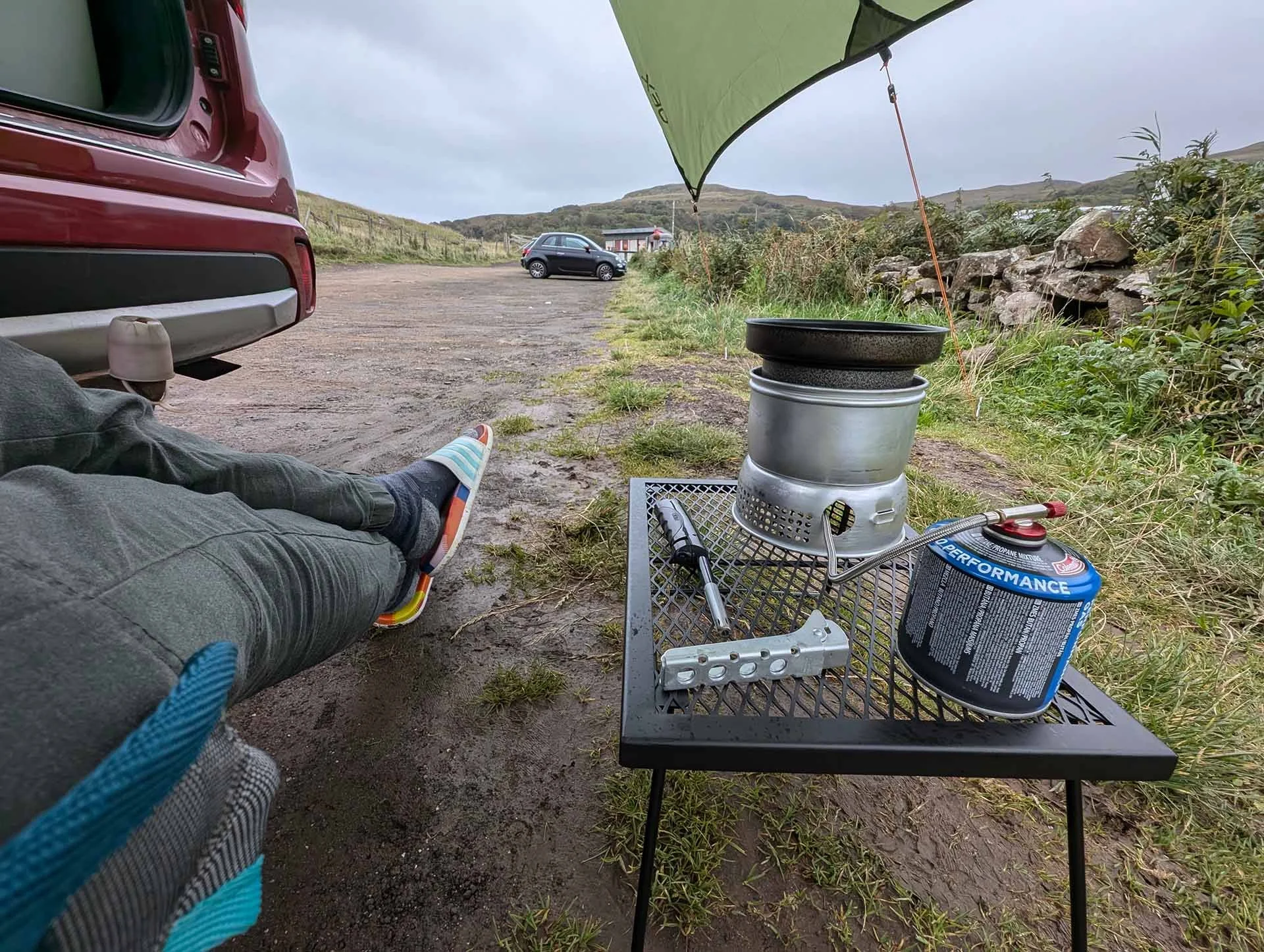
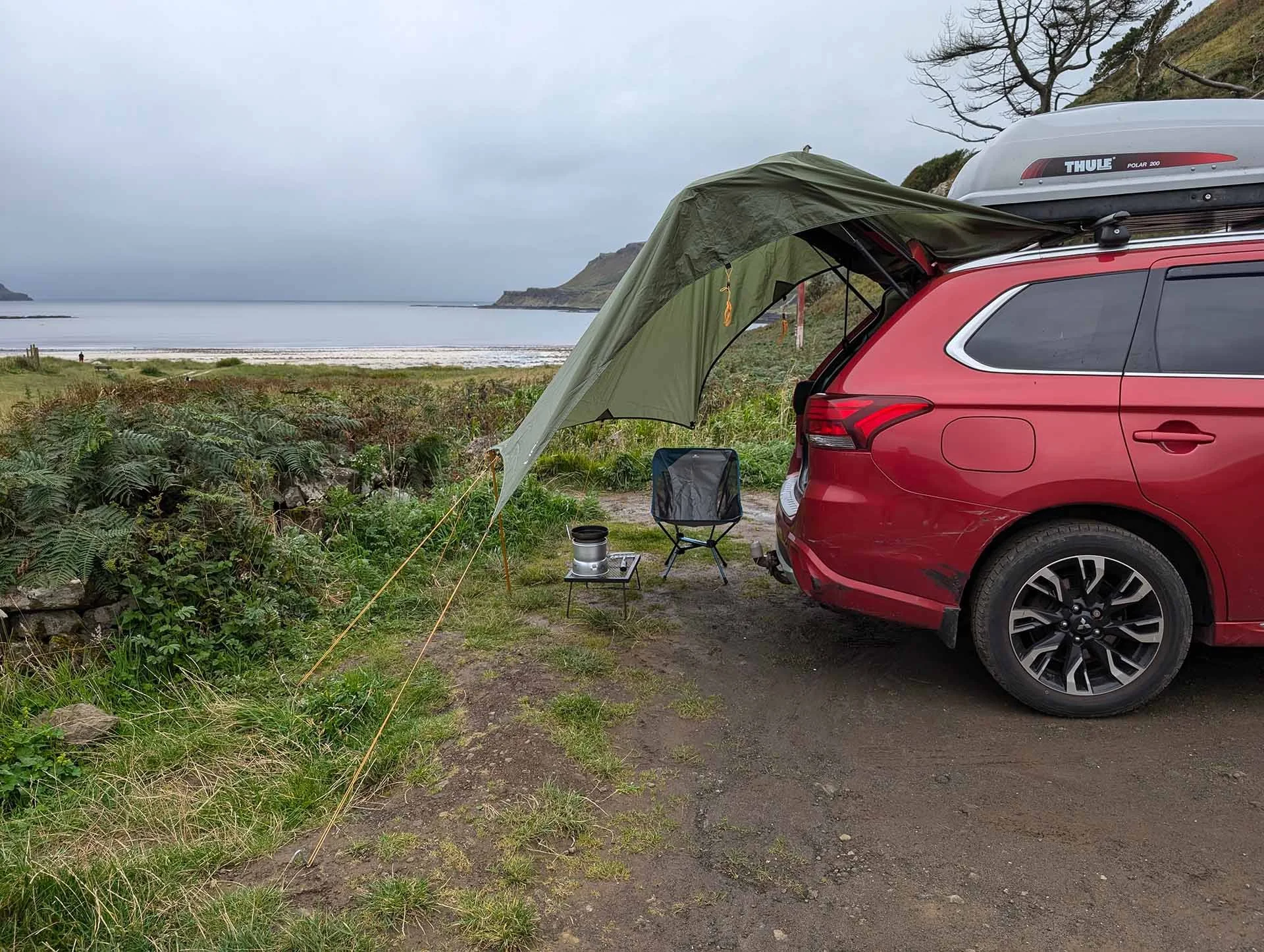
Here I am parked at a community campsite in Mull, overlooking a beach, waiting for my dinner to cook. That night a gale blew through, rocking the car and lashing it with rain. I felt very content inside, wrapped up in my duvet.
4. A strong, supportive community
Contrary to the stereotype of loneliness, the van life community is very friendly and welcoming both online and on the road. There are social media groups and dedicated meetups that you can get involved in when you’re starting out, and there’s a network of women eager to share tips, campsites, and companionship.
The Cons
1. Safety concerns
Naturally, safety is the top concern for women looking to solo travel. Sleeping alone in a vehicle can make you feel vulnerable and you become hyperaware of your surroundings. But with a few key safety tips in mind, it’s fairly easy to keep yourself safe, and the more you do it, the more confident you become!
2. Mechanical and travel issues
It can be very frustrating when things outside of your control scupper your best laid plans. This could be a flat tyre, terrible traffic, road closures, breakdowns. And as much as you do to prepare for these things, they will inevitably happen at some point which can be particularly overwhelming if they happen in remote places.
3. Loneliness
As great as the outdoor community is, there are times where you can feel alone and even the most independent women can feel isolated during long stretches of travel.
4. Lack of comfort and stability
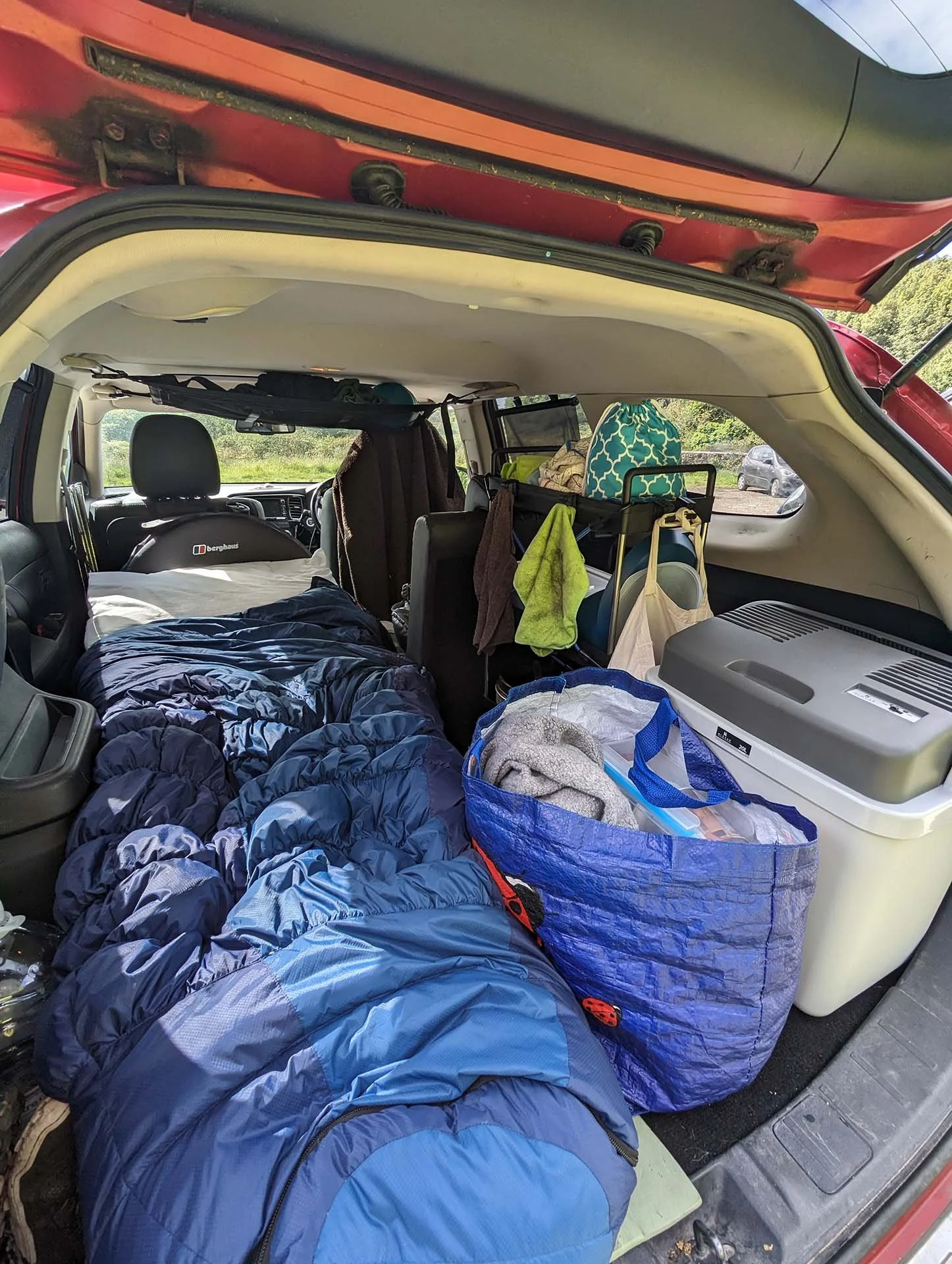
Living in a vehicle means limited space, infrequent showers, cramped cooking, and weather-dependent comfort. For those, like me, who do this part time, that’s not such a big problem as I know I have a home to come back to, but for those who do it on a semi-permanent or permanent basis it can feel like a gritty test of patience.
< < this is the set-up I had in my Mitsubishi Outlander, it was a bit cramped but it worked.
5. Negative attitudes towards van living
In the UK at least, there is still a prevailing negative attitude towards people who live in vehicles. It’s a deep-seated attitude that you will encounter at some point during your travels. It can be quite hard to contend with this, especially if you get “the knock” of a local or police officer asking you to move on.
Top tips for solo female travel (especially in a vehicle)
If you’re looking to start exploring with your car, here are some of my top tips to get you started.
1. Use the car you have
It might seem like your car is too small to live in, but as long as you can lie down flat, you can camp in your car. Take a few trips like this as it will help you to figure out what you can and can’t live without and it will make looking for an alternative easier.
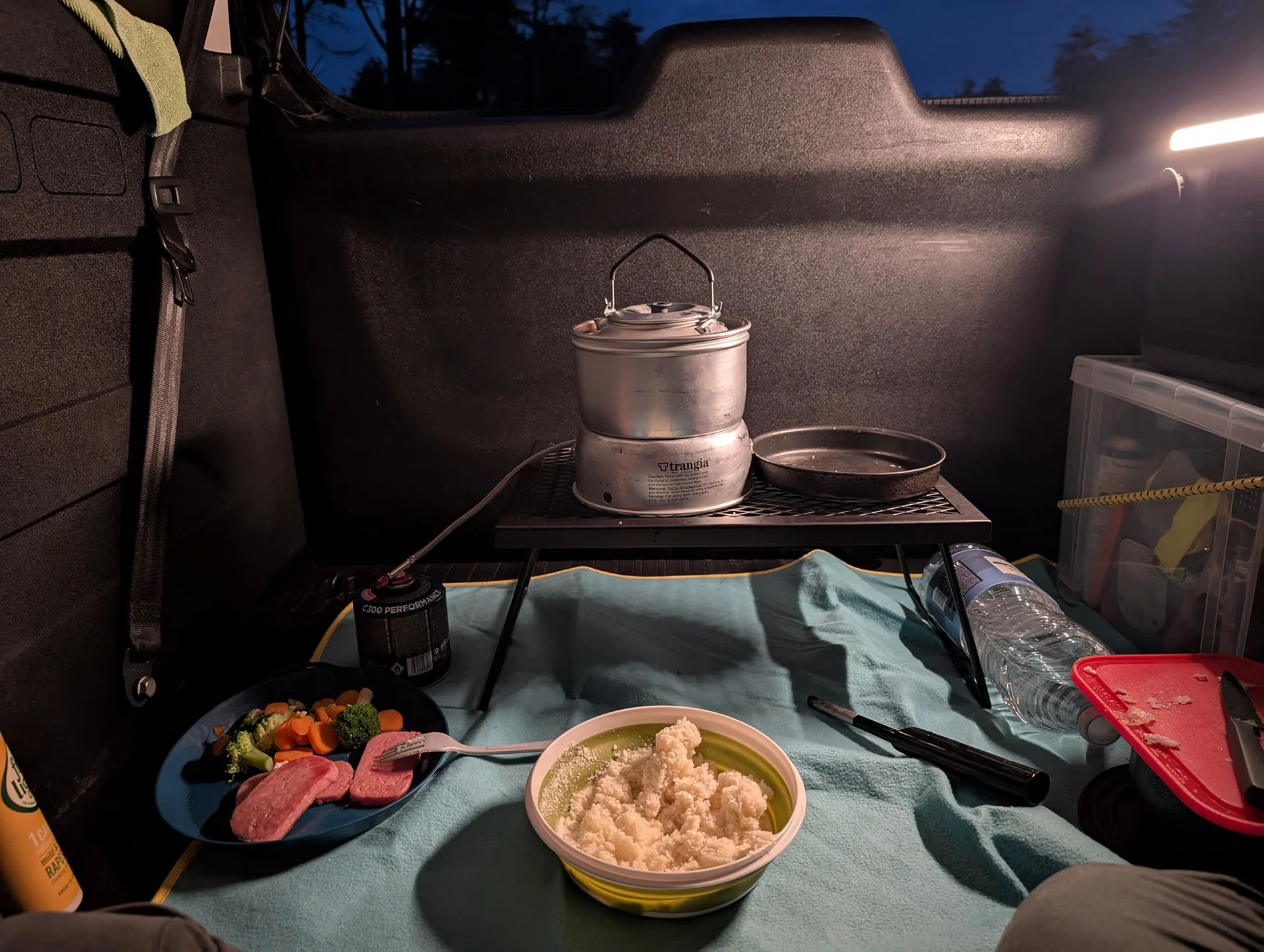
After two years camping in my Outlander I upgraded to a Citroen Berlingo. With the extra space I am able to cook inside which is a godsend when you’re travelling in Scotland - you can avoid the midgies!
2. Start with short, local trips first
Before committing to long-term travel, take your car or van on a few overnight or weekend trips. You’ll quickly learn what you actually need, what feels comfortable, and how your vehicle behaves on the road.
3. Prioritise safety, but don’t let it dictate your choices
Simple habits go a long way:
Always trust your gut about sleeping spots, if it doesn’t feel right, move on
Park with your nose facing out so you can drive away quickly
Keep your keys and phone within arm’s reach at night
Do your homework on an area; have a place you can escape to if you need it
4. Set up your vehicle for stealth and comfort
A vehicle that looks like every other vehicle is your friend, it allows you to blend in wherever you are and blackout curtains help disguise the fact you are sleeping inside. Make sure you keep your cabin space organised with the things you need in easy reach. Take comfortable bedding and pyjamas to make you feel like you’re at home on the road.
5. Learn basic vehicle maintenance
You don’t need to be a mechanic, but knowing how to check oil, change a tyre, and understand warning lights can save you money, time, and stress. But also get some good breakdown cover so that if you have issues you can’t fix, there’s someone who will come and help you.
6. Carry essential tools with you
Include things like:
Multi-tool
Panel removal tools
Head torch
Duct tape
Tyre inflator or the gunge you can put in that lets you limp to a garage
Jump cables
Portable power bank
Essential liquids (oil, AdBlue, WD40)
This will allow you to overcome most of the common issues you’ll encounter on the road.
7. Join van life groups
There are brilliant online groups full of advice, campsite recommendations, meetups, and moral support. You’ll quickly realise you’re far from alone.
8. Embrace slow travel
Rushing leads to stress and missed experiences. Taking your time allows you to really appreciate the places and people you encounter, giving you a more genuine experience. It also allows you time to rest between drives.
9. Have a “just in case” plan
This is a basic for any kind of travel: share your route with a friend or family member, make sure you have breakdown cover, keep an emergency stash of food, water, and cash (or have a credit card with a decent limit on it). Also, plan a safe place you could stay if you need it. I usually look for YHAs in the UK or cheap AirBnBs when I’m abroad so I have a “base” I can fall back to if everything goes wrong.
10. Don’t feel like you have to be wild all the time
There is this attitude among van lifers that you should be staying somewhere wild every night. But sometimes you just want to sleep somewhere you know is safe, where you can have a hot shower and where you can cook standing up. Don’t feel like you’re chickening out if you book into a campsite or a hostel if you feel like you need it, especially if you’re on your first trips. I still do this even though I’ve been car camping for years now.
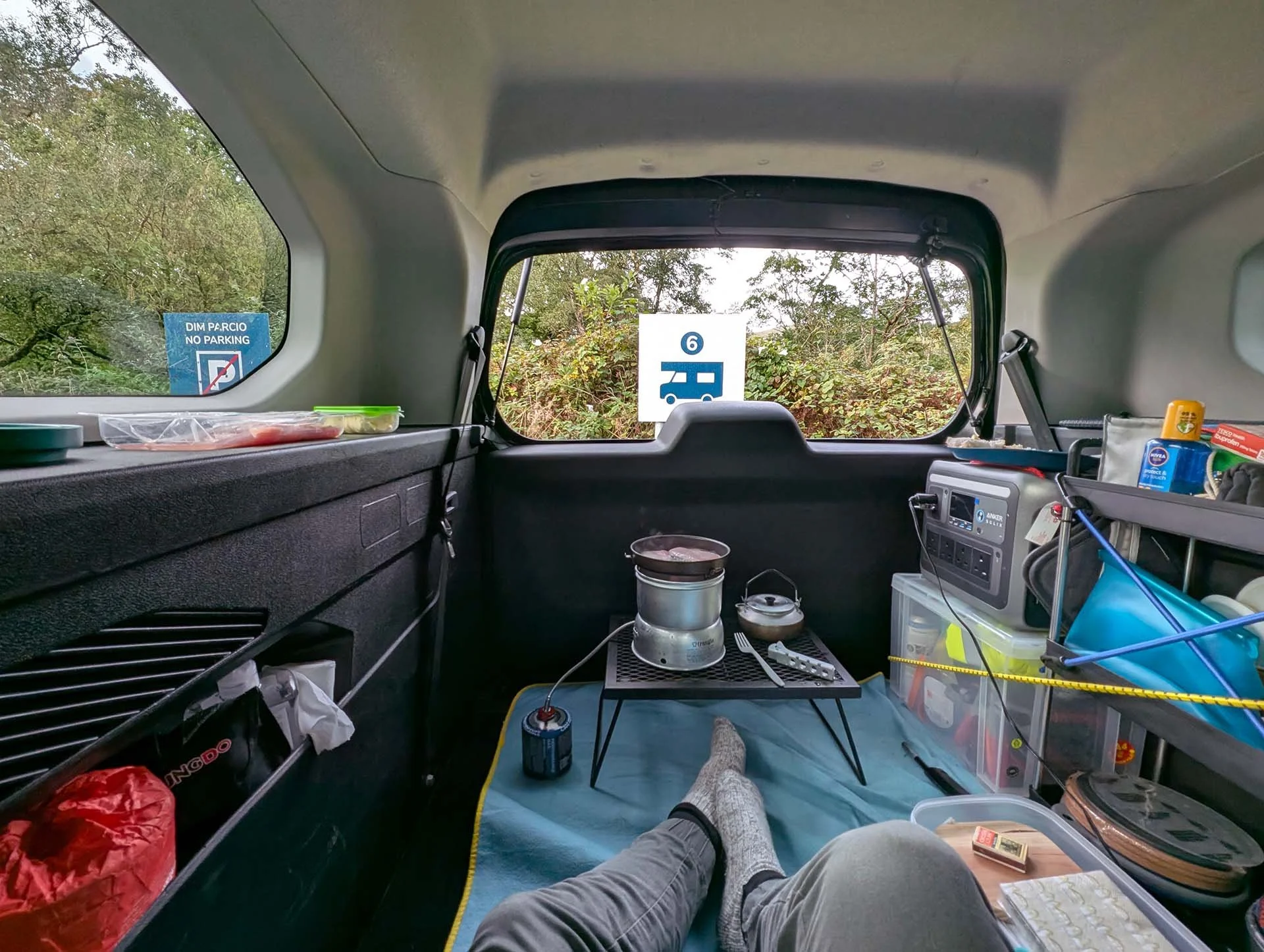
Here I’m staying in an Arosfan in Wales. A bit like an Aire in France, they are designated spaces where you can camp in your vehicle. They’re perfect if you’re looking for a safe camping spot with some basic amenities.
11. Remember; it’s normal to feel nervous at first
Living in your car is scary, it’s a very unusual and vulnerable position to be in and you will feel nervous the first few times you do it. That’s completely normal. But the more you do it, the more you’ll get used to it and get a feel for what you do and don’t like when living on the road.
Solo female travel - especially on wheels - allows you to be truly free, and once you get over the initial jitters, you’ll be craving the ability to go where you want, when you want.